RV Air Conditioner Repair
Common Issues with Air Conditioners
1. RV Air Conditioner Not Cooling Properly
Symptoms: The unit powers on and air is flowing, but the air coming out isn't as cold as it should be.
Possible Causes:
- Dirty air filters or coils that restrict airflow
- Undervoltage from your power source
- A malfunctioning thermostat
- A refrigerant leak (rare but possible)
What to Do: Start by cleaning or replacing the AC’s air filters, which can accumulate dust quickly and block airflow. If the filters are clean and the problem persists, inspect the evaporator and condenser coils for dirt or debris. Make sure your RV is receiving proper voltage — low campground power can impact AC performance. If your thermostat seems off, recalibrate it or consider upgrading to a digital thermostat for more accurate temperature control.
2. AC Not Turning On at All
Symptoms: The unit is completely unresponsive, with no fan or cooling function.
Possible Causes:
- Tripped breaker or blown fuse
- Faulty control board
- Loose or disconnected wiring
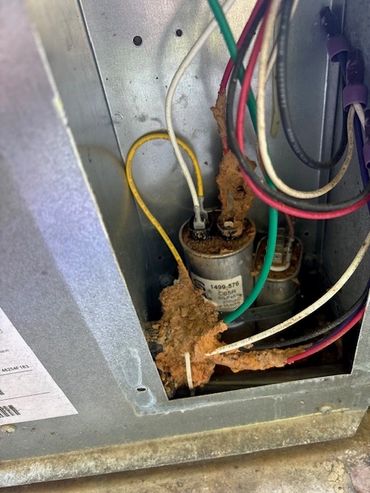
What to Do: Check the breaker panel in your RV and reset any tripped breakers. If that doesn’t work, inspect the wiring at both the thermostat and the rooftop unit for visible issues. The control board — essentially the “brain” of the AC system — may need replacement.
3. RV AC Blowing Warm Air
Symptoms: The AC runs, but only warm air blows out of the vents.
Possible Causes:
- Frozen evaporator coils due to restricted airflow
- Dirty condenser fins
- A malfunctioning compressor
What to Do: Turn off the AC and allow the unit to defrost fully. Then, clean the coils and condenser fins carefully using an AC-safe coil cleaner. If the compressor isn't engaging or making unusual noises, it may need professional mobile RV repair or inspection. Persistent RV air conditioning issues with cooling could mean it's time for a new, energy-efficient model.
4. Air Conditioner Short Cycling
Symptoms: The AC repeatedly turns on and off in short bursts, never running long enough to cool the RV.
Possible Causes:
- Poor thermostat placement (near a window or heat source)
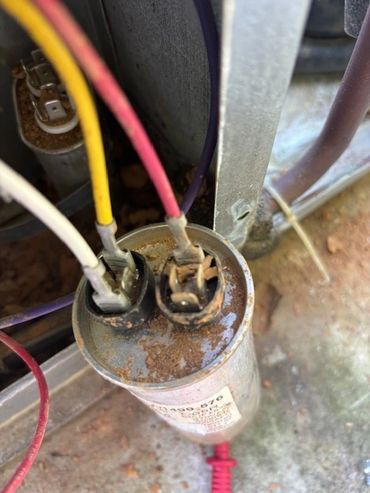
- Faulty capacitor or control board
- Oversized AC for the RV size
What to Do: First, check the thermostat’s location. It may be registering inaccurate temps. If that's not the issue, inspect the capacitor, which helps start the compressor and fan. A soft start kit can help manage start-up current draw and reduce stress on the system. If the unit is oversized, consider switching to a more appropriately sized model.
5. Musty or Bad Odors When AC Runs
Symptoms: A musty, mildew-like smell fills the RV whenever the air conditioner is on.
Possible Causes:
- Mold or mildew buildup in the AC unit
- Clogged or dirty condensate drain pan
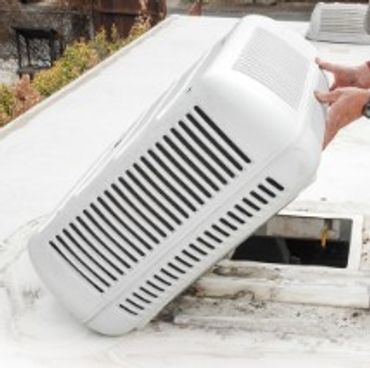
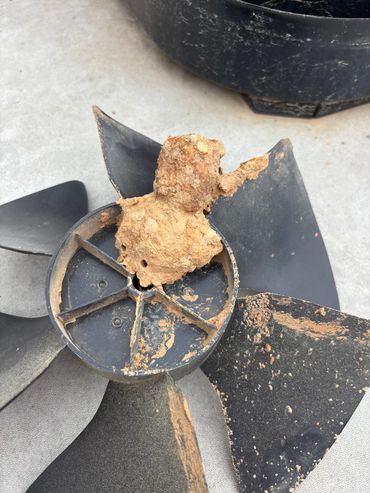
What to Do: Remove the AC shroud and inspect the evaporator coil and fan blades for visible mud dauber, mold, or grime. Use a non-toxic AC coil cleaner and allow everything to dry thoroughly. Ensure the drain pan is clear and properly sloped so that moisture doesn’t pool inside the unit. Regular cleaning can prevent odors and keep air quality high, minimizing RV air conditioning issues.
6. Loud or Unusual Noises
Symptoms: Grinding, buzzing, clicking, or rattling sounds when the unit is running.
Possible Causes:
- Loose components
- Worn-out fan motor
- Foreign objects or debris in the unit
What to Do: Safely remove the AC shroud and inspect for any visible loose screws or debris. Tighten any components that may have loosened during travel. If the motor is the source of the noise, consider replacing it. Regular inspections can help you catch small issues before they lead to major repairs. A machine gun-like sound can indicate a failed capacitor.
7. Ice Build-Up on the AC Unit
Symptoms: Ice forms on the evaporator coils or even drips from the AC vents.
Possible Causes:
- Restricted airflow from clogged filters
- Low ambient temperatures
- Low refrigerant levels
What to Do: Turn off the AC and allow it to thaw completely. Check and clean your filters and ensure nothing is blocking return airflow. Avoid using the AC in very cold temperatures where condensation can freeze. If the issue persists despite good airflow, a technician should check refrigerant levels.
8. Thermostat Issues
Symptoms: Inaccurate temperature readings, lagging response, or unresponsive interface.
Possible Causes:
- Faulty temperature sensor
- Loose wiring
- Dead batteries (for battery-powered models)
What to Do: Reset the thermostat and inspect for wiring issues. If the thermostat is several years old or no longer functions reliably, it may need an upgrade.
Regular Maintenance Tips to Prevent AC Problems
Regular RV AC maintenance is essential to keeping your RV air conditioner running smoothly and avoiding common air conditioning issues. One of the most important tasks is cleaning the air filters. During peak travel seasons, filters can collect dust and debris quickly, restricting airflow and forcing the system to work harder than necessary. Aim to clean or replace them at least once a month when the AC is in frequent use.
Before powering on your air conditioner, especially at campgrounds or unfamiliar locations, it's important to verify that your RV is receiving adequate voltage. Low or fluctuating power can strain your system and lead to long-term damage. Using a surge protector is a smart way to protect your AC unit and other electronics from sudden power spikes.
Another key maintenance point is inspecting the rooftop seals around the AC unit. These seals can deteriorate over time, and if left unchecked, may allow water to leak into your RV. Periodic inspections and resealing as needed can help prevent this issue. You should also keep an eye on the condensate drain line, which removes moisture from the system. If the line becomes clogged, it can lead to internal moisture buildup and promote mold growth.
Finally, scheduling an annual inspection with a certified RV technician is a proactive way to ensure your AC unit is operating efficiently. A technician can conduct air conditioner troubleshooting, check the electrical system, refrigerant levels, and overall condition of your unit, catching small issues before they develop into costly repairs.
When to Repair vs. Replace Your RV Air Conditioner
Deciding whether to repair or replace your RV air conditioner often comes down to the age of the unit, the nature of the problem, and the cost of the fix. In many cases, replacing worn components or performing basic maintenance can restore proper function. However, some issues, like a failed compressor, are much more expensive to address and may not be worth the investment in an older unit.
If repair costs begin to approach half the price of a new AC system, it's usually a smart financial decision to opt for a replacement. This is especially true if your current unit is more than eight to ten years old. Over time, even well-maintained systems lose efficiency and become more prone to breakdowns, particularly under heavy use or in extreme conditions.
Another consideration is performance. If your air conditioner is struggling to keep your RV cool, runs constantly without making a difference, or causes other electrical issues, upgrading to a more efficient and properly sized model could make a significant difference in comfort and energy consumption. Modern systems offer better cooling power, quieter operation, and improved reliability, making them a worthwhile investment for regular travelers.
No RV air conditioner is completely immune to wear and tear, but many RV air conditioning issues can be addressed with basic maintenance and troubleshooting. By staying ahead of common problems and keeping your unit clean and well-serviced, you can ensure cool, comfortable travel all season long.

Exploring RV Air Conditioner Issues
.jpeg/:/rs=w:370,h:370,cg:true,m/cr=w:370,h:370)